Comprehensive Complete Home Renovation Guide
- Butler Homes

- 14 hours ago
- 4 min read
Embarking on a complete home renovation can feel like a thrilling adventure and a daunting challenge all at once. I’ve been there, standing in a room full of possibilities and wondering where to start. Whether you’re updating an old house or transforming your current space, this guide will walk you through the essential steps, tips, and insights to make your renovation journey smoother and more enjoyable.
Understanding the Scope of a Complete Home Renovation
Before you pick up a hammer or call a contractor, it’s crucial to understand what a complete home renovation really means. This isn’t just about painting walls or swapping out fixtures. A complete home renovation involves a thorough overhaul of your home’s structure, systems, and aesthetics. It can include:
Updating electrical and plumbing systems
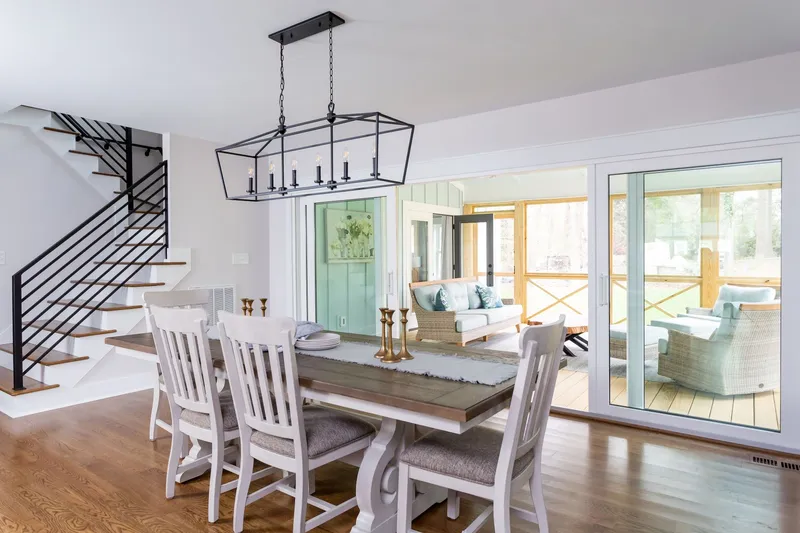
Reconfiguring layouts for better flow
Replacing flooring and windows
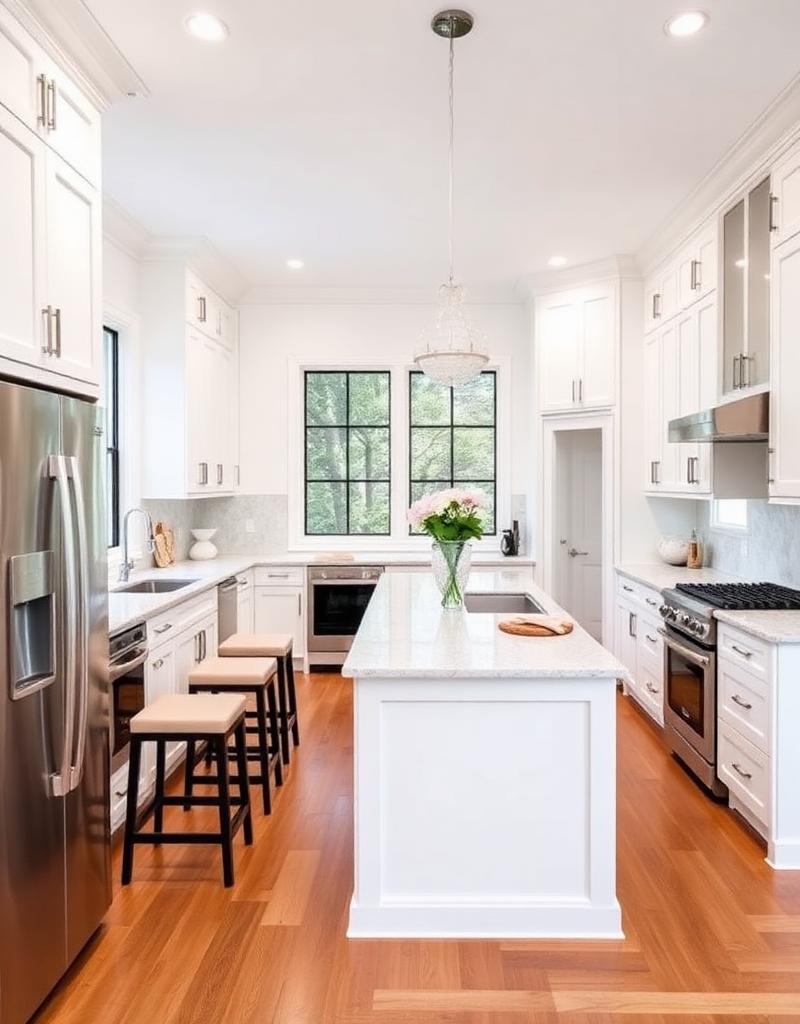
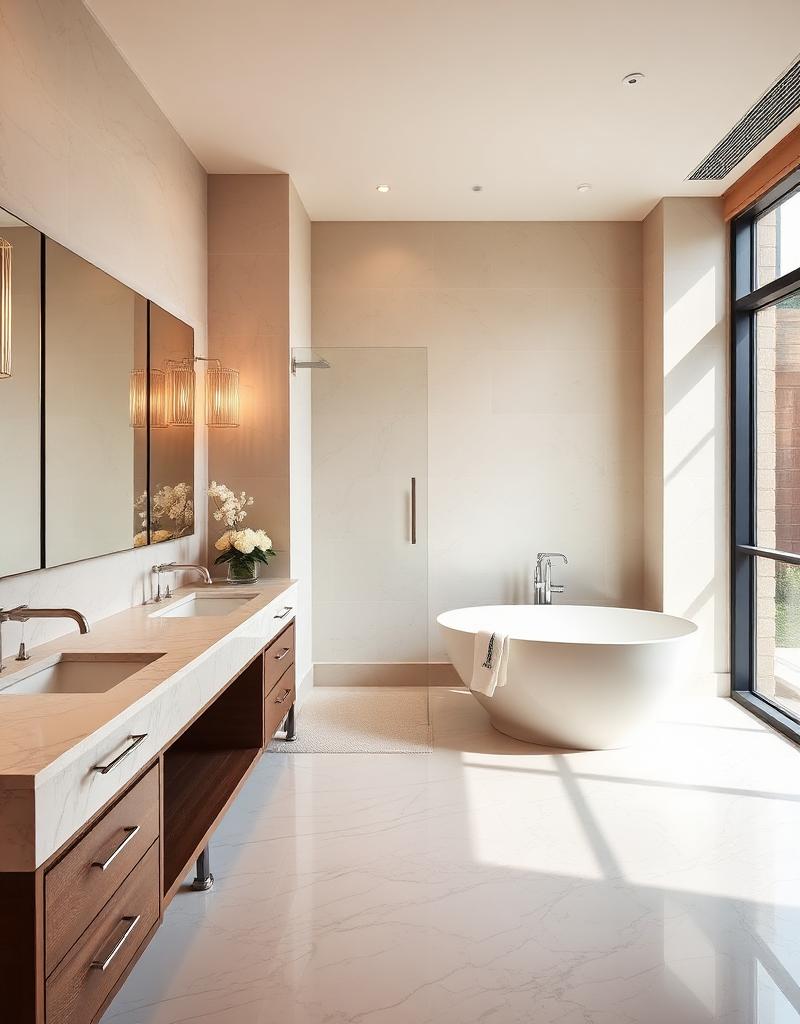
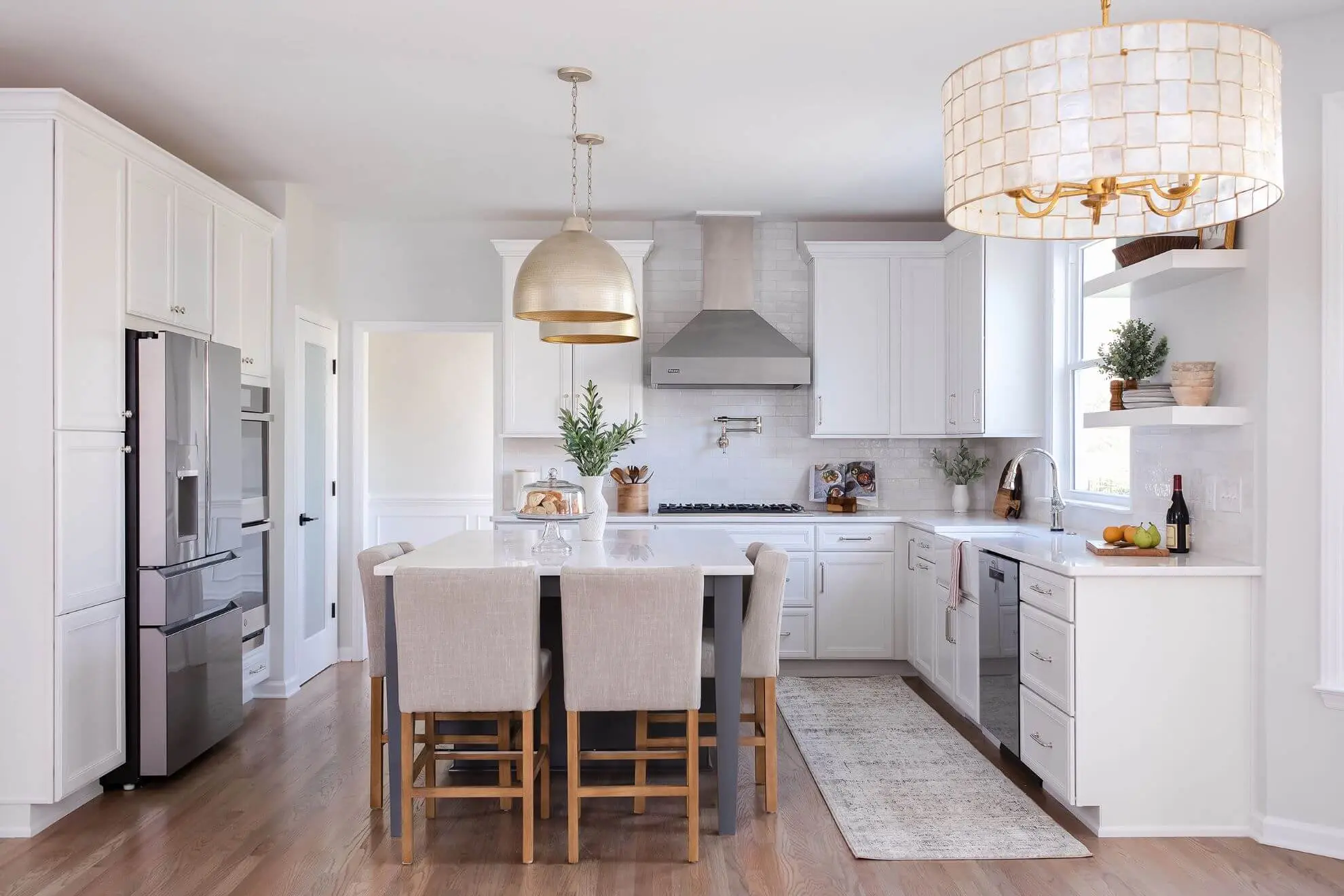
Modernizing kitchens and bathrooms
Enhancing insulation and energy efficiency
Repairing or replacing roofing and exterior siding
Think of it as giving your home a fresh start, tailored to your lifestyle and preferences. The key is to plan carefully and prioritize what matters most to you.
Planning Your Renovation: The First Step
Start by making a list of what you want to change and why. Are you looking to increase space, improve functionality, or boost your home’s value? Once you have your goals, research local building codes and permits. This will save you headaches later.
Next, set a realistic budget. It’s tempting to dream big, but knowing your financial limits helps you make smart choices. Don’t forget to include a contingency fund for unexpected expenses.
Finally, consider hiring professionals like architects, designers, and contractors. Their expertise can turn your vision into reality while avoiding costly mistakes.

What to Expect During a Complete Home Renovation
A complete home renovation is a marathon, not a sprint. It usually unfolds in phases:
Demolition and Preparation - Removing old materials and preparing the space.
Structural Work - Fixing foundations, walls, or adding new rooms.
Systems Upgrade - Electrical, plumbing, HVAC improvements.
Interior Work - Drywall, flooring, painting, and cabinetry.
Finishing Touches - Fixtures, appliances, and decor.
Each phase requires careful coordination. Communication with your contractor is vital. Ask for regular updates and don’t hesitate to voice concerns.
Remember, patience is your best friend here. Delays happen, but keeping a positive attitude helps everyone stay motivated.
Is $100,000 Enough to Renovate a House?
This is a question I get asked a lot. The answer depends on several factors: the size of your home, the extent of the renovation, your location, and the quality of materials you choose.
For a modest-sized home, $100,000 can cover significant upgrades like new kitchens, bathrooms, and flooring. However, if your home needs major structural repairs or system replacements, costs can quickly add up.
Here’s a rough breakdown of what $100,000 might cover:
Kitchen remodel: $25,000 - $40,000
Bathroom updates: $10,000 - $20,000 per bathroom
Flooring replacement: $5,000 - $15,000
Electrical and plumbing upgrades: $10,000 - $20,000
Painting and finishing: $5,000 - $10,000
To stretch your budget, consider prioritizing high-impact areas and opting for mid-range materials. Also, getting multiple quotes from contractors can help you find the best value.
If you want to dive deeper into budgeting and planning, check out this full home renovation resource for detailed advice.
Choosing the Right Materials and Finishes
Selecting materials can be overwhelming with so many options available. Here’s how I approach it:
Durability: Choose materials that stand up to daily wear and tear, especially in high-traffic areas.
Maintenance: Some finishes require more upkeep than others. For example, hardwood floors need regular polishing, while tile is easier to clean.
Style: Pick colors and textures that reflect your personality and complement your home’s architecture.
Budget: Balance quality with cost. Sometimes investing a bit more upfront saves money in the long run.
For example, quartz countertops offer durability and low maintenance, making them a popular choice for kitchens. In bathrooms, porcelain tiles are water-resistant and come in many styles.
Don’t forget about energy efficiency. Installing double-pane windows or LED lighting can reduce utility bills and increase comfort.

Tips for Managing Your Renovation Project
Managing a renovation project can feel like juggling many balls at once. Here are some tips that helped me stay on track:
Create a detailed timeline: Break down the project into phases with estimated completion dates.
Keep a renovation journal: Document decisions, receipts, and contractor communications.
Stay flexible: Unexpected issues will arise. Adapt your plans without losing sight of your goals.
Regular site visits: Check progress frequently to catch problems early.
Communicate clearly: Build a good relationship with your contractor. Clear communication prevents misunderstandings.
Also, consider living arrangements during the renovation. If your home will be uninhabitable, plan for temporary housing well in advance.
Making Your Renovated Home Truly Yours
Once the dust settles, it’s time to personalize your space. Think about:
Furniture placement: Arrange for comfort and flow.
Lighting: Layer ambient, task, and accent lighting for a cozy atmosphere.
Decor: Add artwork, rugs, and plants to bring warmth and character.
Smart home features: Consider adding smart thermostats, security systems, or lighting controls for convenience.
A renovation is not just about aesthetics; it’s about creating a home that supports your lifestyle and makes you feel happy every day.
Renovating a home is a big commitment, but with the right approach, it can be a rewarding experience. Take your time, plan carefully, and enjoy the process of turning your house into the home you’ve always dreamed of.