
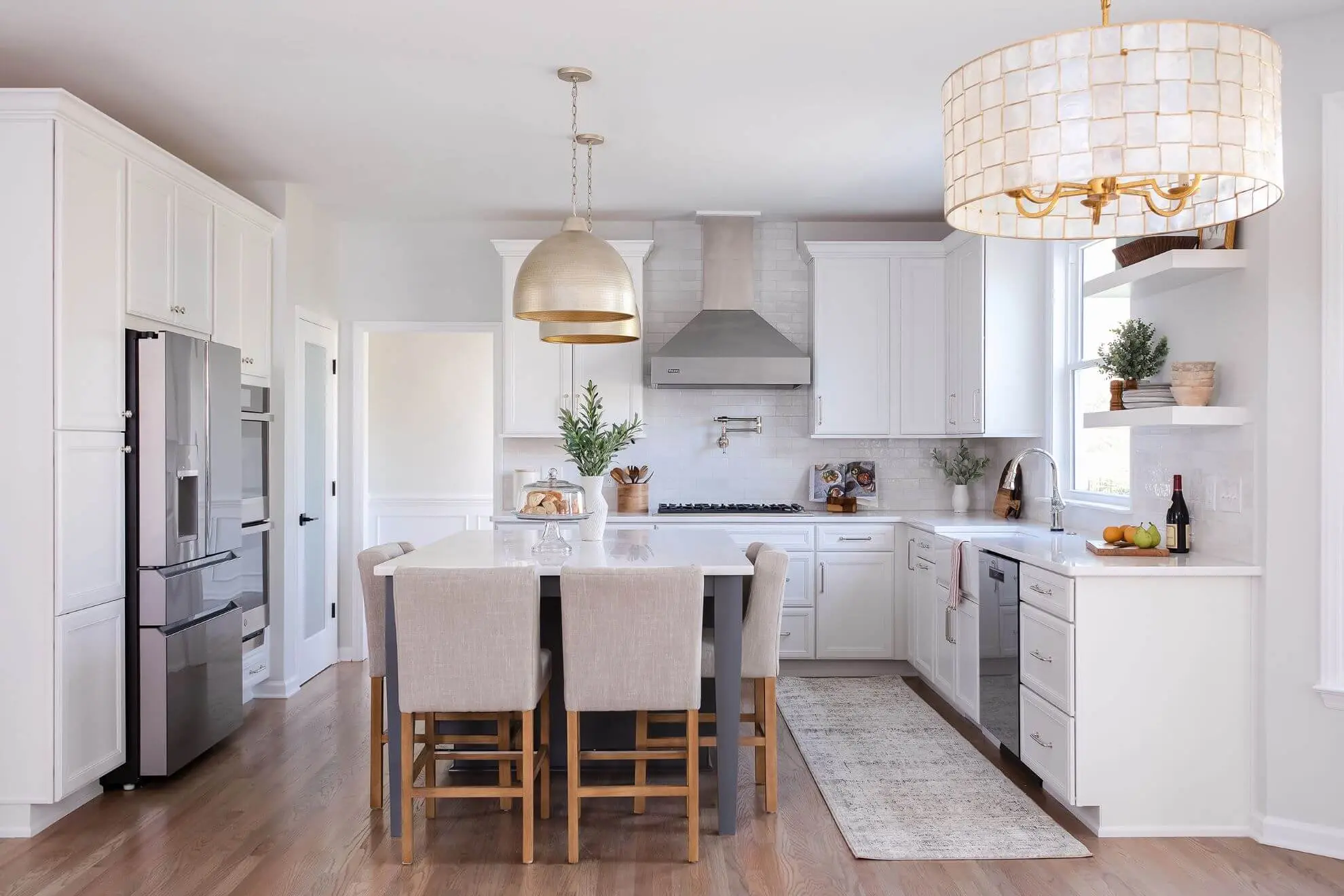
Transform Your Home,Elevate Your Life
From stunning kitchens to luxurious bathrooms and beautiful custom homes, Butler Homes Construction & Remodeling delivers exceptional craftsmanship with white-glove service you deserve.
Expert Remodeling and Construction Services
We specialize in transforming every corner of your home with quality craftsmanship and attention to detail that exceeds expectations.
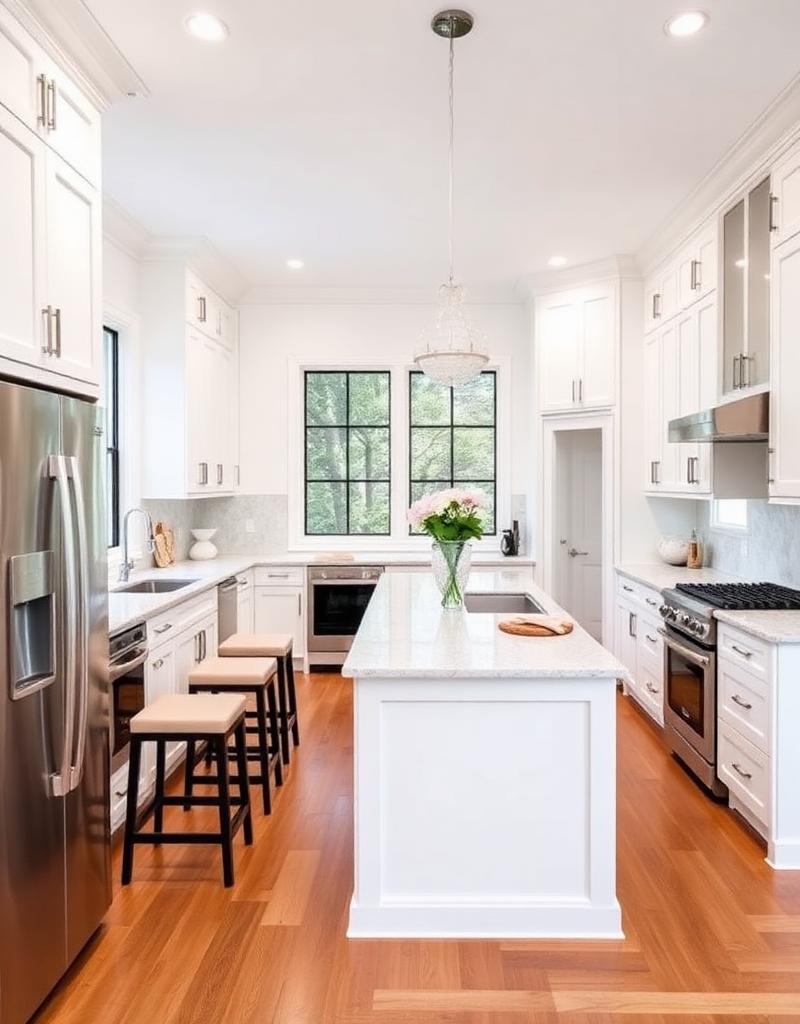
Kitchen Remodeling
Create the heart of your home with custom cabinetry, premium countertops, and modern layouts designed for your lifestyle.
Learn More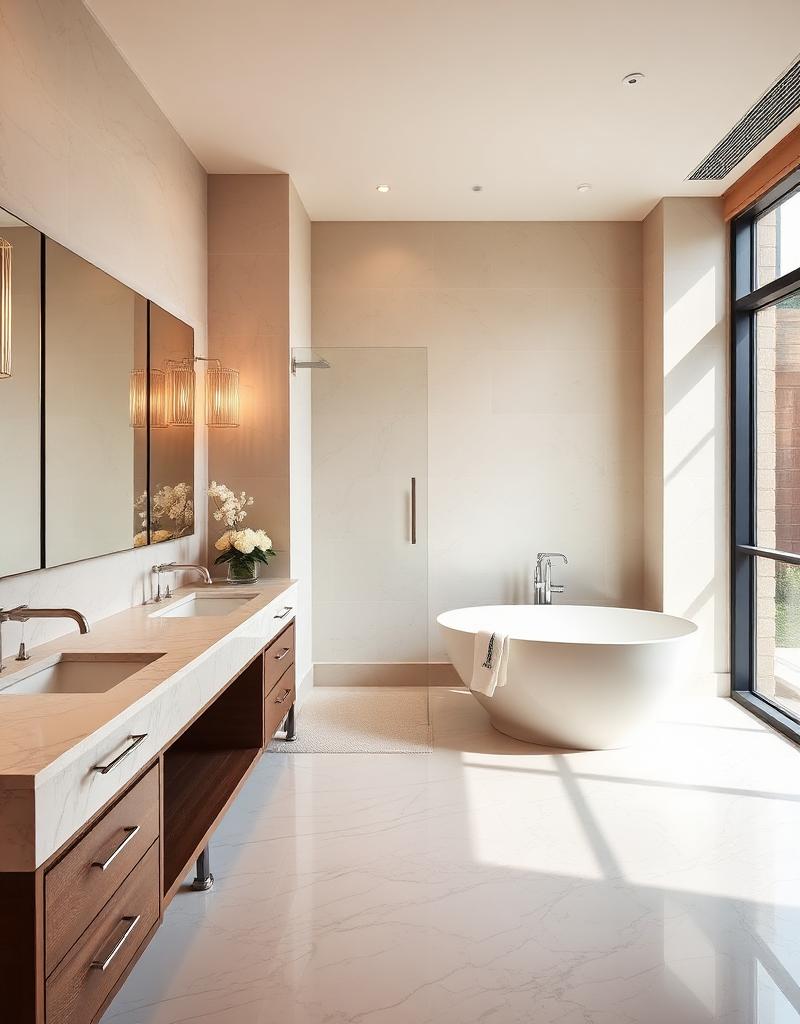
Bathroom Remodeling
Transform your bathroom into a personal spa retreat with luxury fixtures, elegant tilework, and smart storage solutions.
Learn More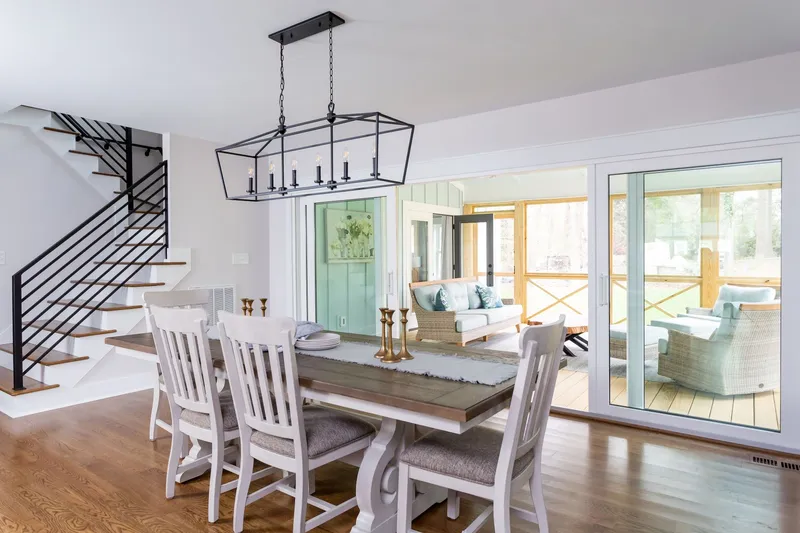
Whole Home Remodeling
Transform your entire home with comprehensive renovations that seamlessly blend style, function, and lasting quality.
Learn More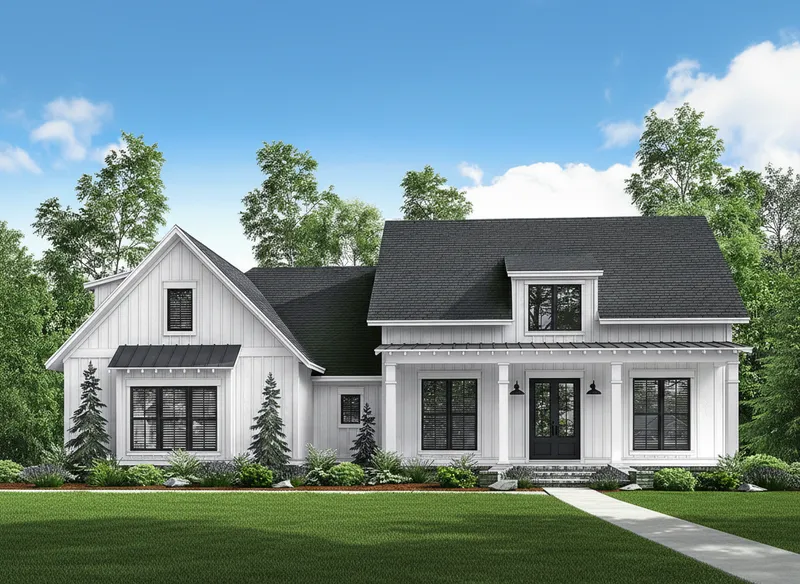
Custom Home Builds
Build your dream home from the ground up with expert craftsmanship, personalized design, and quality materials.
Learn MoreA Remodeling Experience You'll Actually Enjoy
We understand that remodeling can feel overwhelming. That's why we've built our entire process around making it as stress-free as possible. From your first consultation to the final walk-through, we're with you every step of the way.
Quality Craftsmanship
Every project is built to the highest standards with premium materials and expert attention to detail.
Customer-Focused
Your vision is our priority. We keep you informed and involved throughout the entire process.
On-Time Delivery
We respect your time. Our detailed project management ensures timely completion without compromises.
Guaranteed Results
Our work is backed by comprehensive warranties and our commitment to your complete satisfaction.
What Our Clients Say
Don't just take our word for it. Here's what homeowners are saying about their experience with Butler Homes.
"Steve and Jon from Butler Homes do an excellent job of delivering the results you want on the remodeling project you asked for. I've used them twice now and have been delighted both times"
David Bruce
Remodeling
"Absolutely thrilled with Butler Homes! My husband and I had been struggling to find the right company to build our butler's pantry, and luckily we found Butler Homes online. Steven and John were fantastic to work with—extremely communicative throughout the entire process and committed to making sure we were 100% satisfied with the final result."
Carmen Ritz
Remodeling
"We can't say enough wonderful things about Butler Homes! They have now done 2 projects for us, and you simply can't beat their craftsmanship and attentional to detail. They went above and beyond to make sure everything was even better than expected. This is certainly a builder that you can count on and trust!"
Janet G
Whole Home Remodeling
Ready to Transform Your Home?
Let's discuss your vision and create a plan that brings your dream home to life. Schedule your free consultation today.